
Franz Biberkopf’s Repeated Attempts at Reinvention
Berlin AlexanderplatzFranz moves from prison through successive promises of respectability and self-reliance, until catastrophe breaks his old self-conception and he learns to live with others rather than against the world alone.
increasing Bearing strength in each event
 decreasing
Bearing strength in each eventdecreasingRelease into the City
Freedom as Disorientation
The city outside
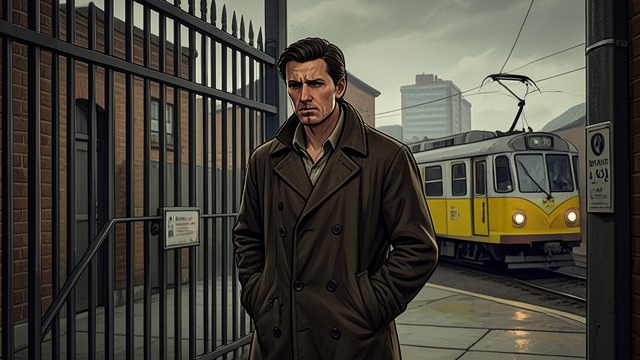
Released from Tegel, Franz Biberkopf stands motionless at the prison gate while trams and crowds make freedom feel like another punishment. The streets seem unstable; he seeks dark entrances and groans to reassure himself that he still exists.
A borrowed lesson
Nachum takes him in and tells him the rise and ruin of Stefan Zannovich. The story suggests that people must look outward and move through the world, but Franz initially receives it as encouragement to recover his own strength rather than to understand others.
The Respectability Vow
A Promise Made in Relief
Recovery and resolve
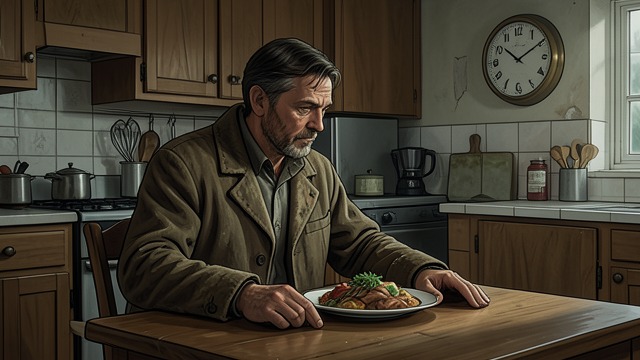
Franz eats, drinks, regains weight, and feels that the violence of prison has receded. After a police expulsion order threatens his return to Berlin, welfare supervision seems to settle the danger, and he declares that he will live decently whether or not he has money.
Respectability on borrowed time
He sells goods and then newspapers, but his pledge rests on keeping life manageable and avoiding entanglement. The story makes his good intentions sincere while showing that he treats decency as a private achievement, not a way of reckoning with the forces and people around him.
The Blow That Reopens Him
Betrayal and Collapse
Lüders’s theft
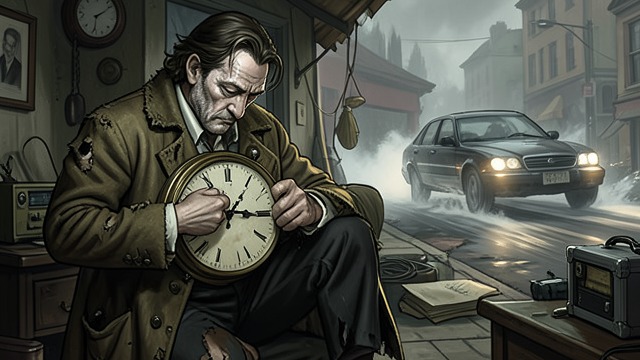
Franz trusts Otto Lüders with a small trading venture. Lüders exploits the confidence, robs the widow Franz had visited, and leaves Franz to discover the betrayal through a letter. The shock does not make him seek help; he withdraws, disappears, and clings to a broken clock as if repair could restore order.
The second fall
After finding his way back to the streets, Franz drinks and avoids the people who might reach him. He refuses politics and outside counsel, then joins Pums’s gang while telling himself he is only taking a legitimate opportunity. Reinhold’s gang throws him from a moving car; Franz loses his right arm but survives and refuses to identify his assailant.
A New Life Built on Old Habits
Strength Without Understanding
The changed body
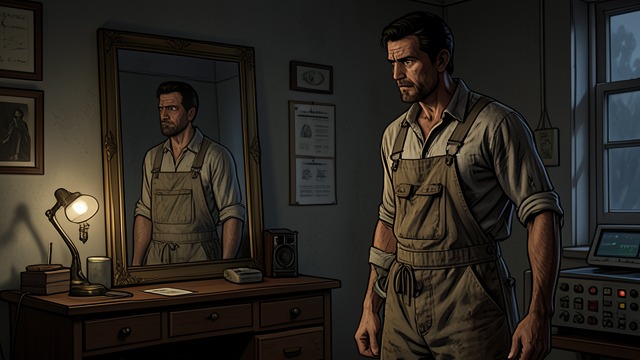
After convalescing in Magdeburg, Franz returns to Berlin with one arm and insists on independence. He invents explanations for the injury, rejects assistance that might expose the burglary, and treats physical endurance as proof that he has recovered.
Prosperity and repetition
He becomes Mieze’s dependent partner while accepting money earned through her sex work. He feels loved, pays back his debt to Herbert Wischow, and decides that his circumstances are finally secure. Yet his drinking, pride, and unresolved need to prove himself keep him close to the same forms of danger he claims to have left behind.
The Loss He Cannot Acknowledge
Grief Turned into Pursuit
Mieze disappears
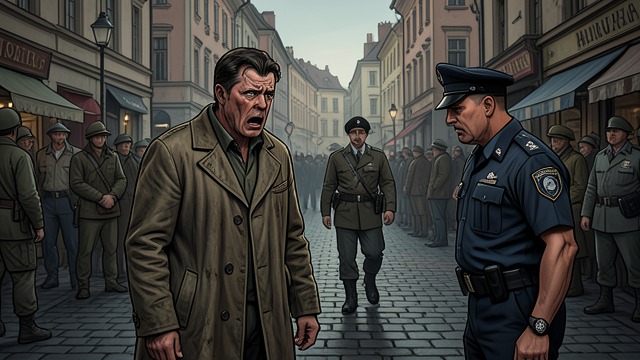
After Mieze vanishes, Franz insists that she will return and resists Eva’s alarm. When her murder is reported, he learns that she did not abandon him: she was killed after trying to protect him from Reinhold. The news converts his misplaced certainty into shock, but he struggles to accept his own part in exposing her to danger.
Retaliation fails
Franz searches for Reinhold, burns the man’s former lodging, and waits for a confrontation that never comes. He becomes convinced that revenge will restore what was lost, then feels defeated when Reinhold remains beyond reach. Arrested during a police raid, he collapses rather than continuing to defend the self-image of the invulnerable man.
Death as a Breaking Point
The Old Self Is Dismantled
Refusal and exhaustion
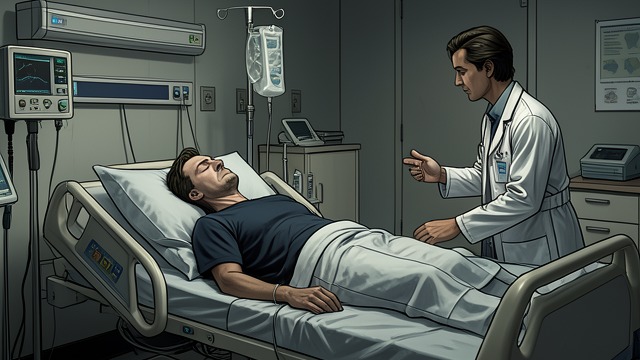
In Buch’s secure ward, Franz lies rigid, refuses food, and resists the doctors’ attempts to sustain him. He experiences himself as pursued by the dead and by the consequences of his actions, while Death confronts him with his evasions, his self-absorption, and his failure to see what happened to Mieze.
A painful recognition
Franz does not emerge from this ordeal with his former confidence intact. His breakdown forces him to acknowledge that mere toughness cannot protect him or repair the harm he has done. When he begins to take nourishment and respond again, the narrative presents survival as a change of understanding, not a miraculous return to his old strength.
A Smaller, Wiser Return

Reentry Without Triumph
Back among people
Released and watched by the police, Franz returns to Berlin physically weak but able to see the city without the terror that once made its roofs seem ready to fall. Eva helps him, and he visits Mieze’s grave without making grief into another boast of endurance.
A different measure of life
He testifies at Reinhold’s trial but does not turn the courtroom into a stage for revenge. Franz accepts work as a part-time factory doorman and comes to understand that solitary self-reliance leaves him exposed. His ending is modest: he is not restored to innocence, but begins to recognize that living alongside others matters more than proving himself stronger than fate.
At the opening, after four years in Tegel
The first weeks after his release in 1927
From Christmas 1927 through April 9, 1928
From spring through August 1928
September to November 1928
Winter 1928–29, during his confinement at Buch
After his release from Buch, in 1929
